.png)

February 5, 2026
What a 15 Year Non Prorated Roof Warranty Actually Covers

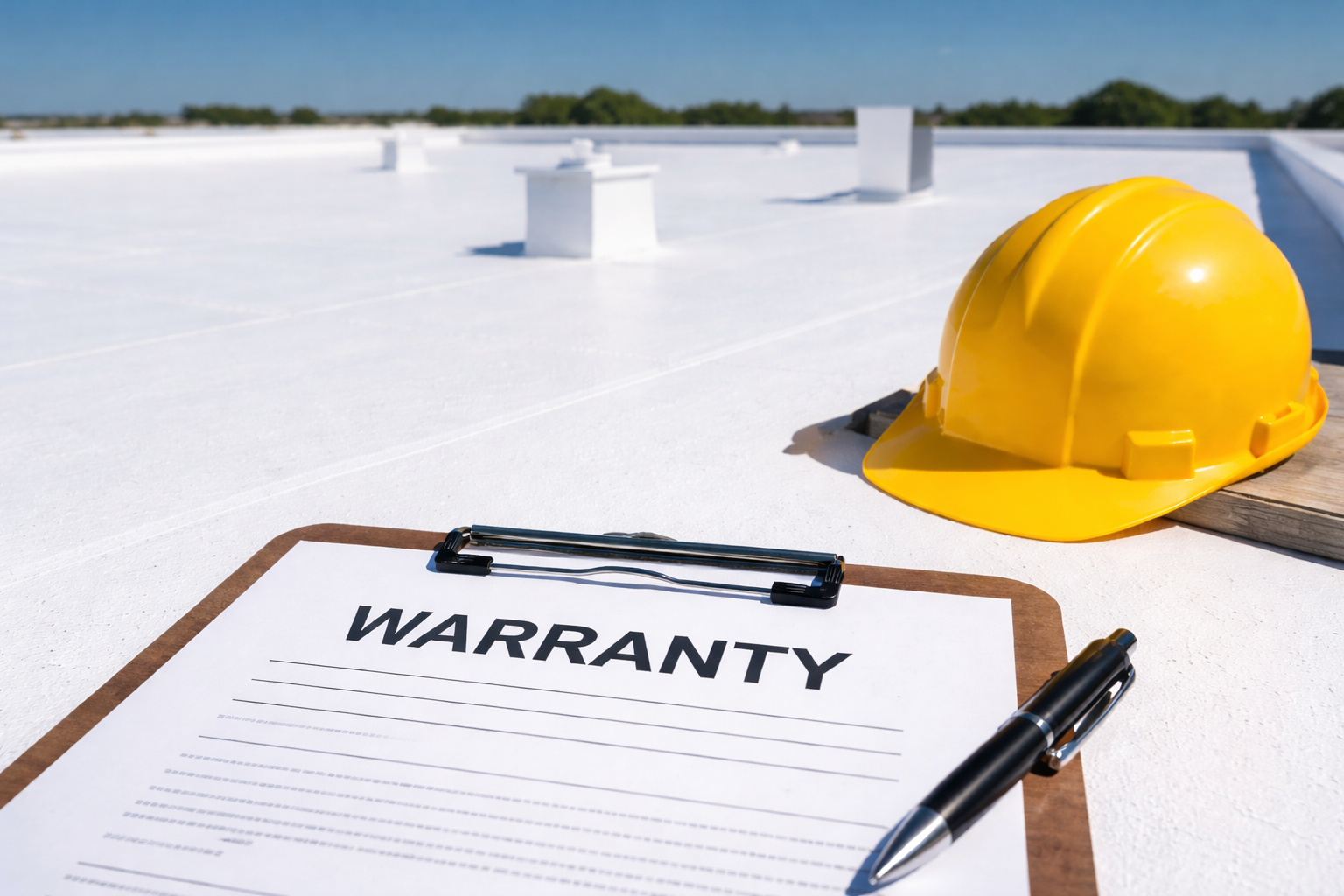
Roof warranties are often misunderstood. Many building owners assume a warranty means no problems for 15 years, only to find out later that coverage is limited, prorated, or full of exclusions.
A 15 year non prorated roof warranty, when properly specified and installed, is very different. Understanding what it actually covers and what it requires is critical before making a roofing decision.
This article explains what an ASTEC based 15 year non prorated warranty really means in practical terms.
What Non Prorated Actually Means
Most traditional roof warranties are prorated. That means coverage decreases over time. The older the roof gets, the less responsibility the manufacturer assumes.
A non prorated warranty works differently.
If a covered failure occurs in year one or year fourteen, the level of coverage remains the same. The warranty does not lose value as the system ages. For building owners planning long term, this consistency matters.
What Is Covered Under a 15 Year ASTEC Warranty
While exact terms depend on the specific system and project, a properly issued ASTEC warranty generally covers the roofing system as a whole when installed according to specification.
Labor and Materials
The warranty covers both the materials used in the roofing system and the labor required to repair a covered failure. This is a critical distinction, as many warranties only cover materials.
Water Tightness
Coverage is centered on water intrusion. If the roof system fails to remain watertight due to a covered condition, corrective work is included.
Manufacturer Backing
The warranty is issued and supported by the manufacturer, not just the installing contractor. This provides additional protection beyond the contractor relationship alone.
What the Warranty Is Tied To
A non prorated warranty is not automatic. It is tied directly to how the system is evaluated, designed, and installed.
To qualify, the roof must be properly assessed before work begins. All preparation, repairs, and reinforcement must follow manufacturer requirements. The system must be installed to specification and required inspections must be completed.
This is why assessment before recommendation is critical. A roof that does not qualify should not receive this type of warranty.
You can learn more about this decision process in Roof Replacement vs Roof Restoration in Western New York.
What Is Typically Not Covered
Understanding exclusions is just as important as understanding coverage.
These warranties generally do not cover structural movement, building settlement, damage caused by unrelated trades, abuse, or extreme events outside design parameters. Pre existing conditions that were not addressed during installation are also excluded.
These limitations are standard across commercial roofing warranties and reinforce the importance of proper evaluation and scope definition upfront.
Why Renewability Matters
One of the most overlooked advantages of ASTEC style systems is renewability.
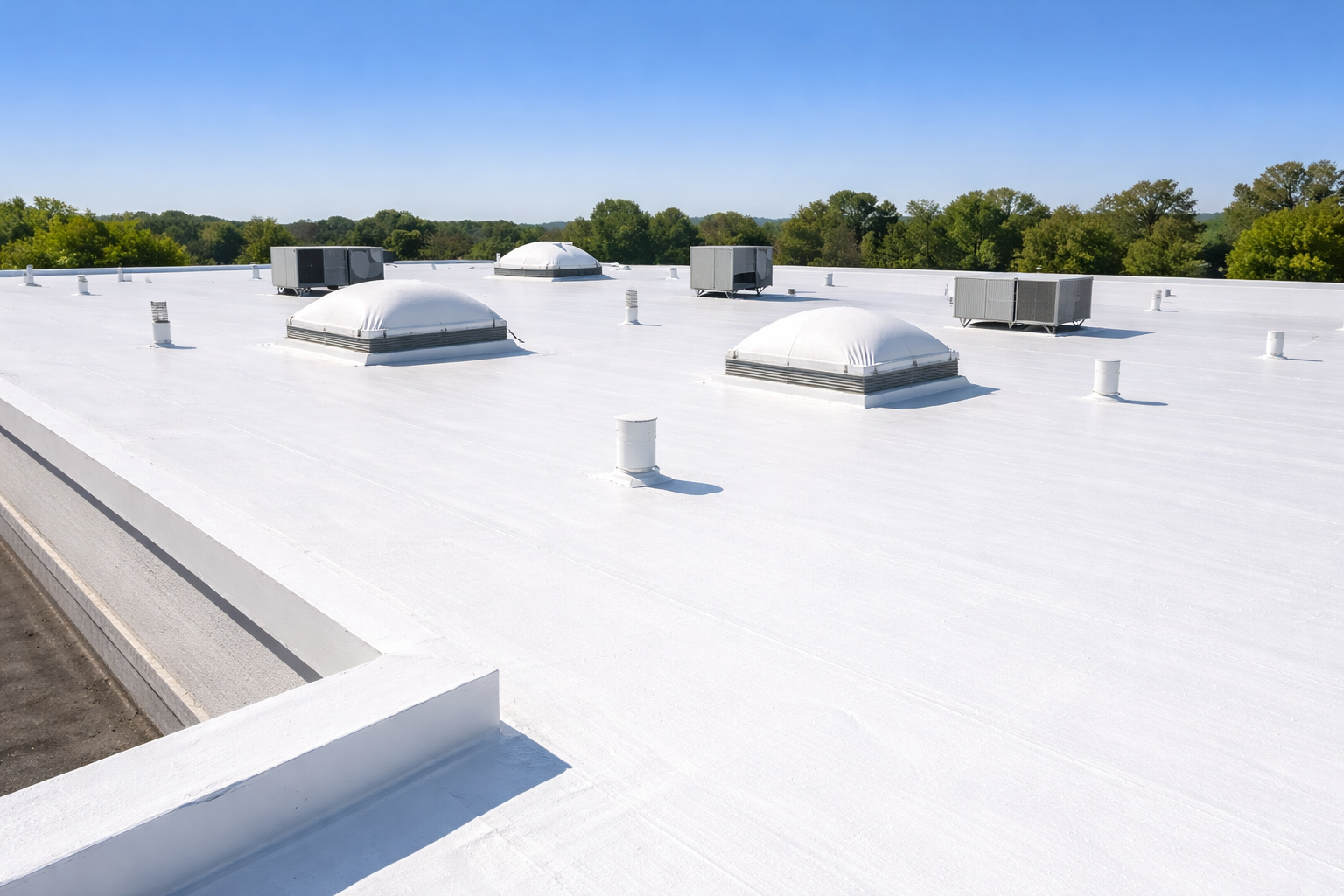
At the end of the 15 year term, the roof does not automatically require replacement. After inspection and any required preparation, the system can often be renewed with an additional fluid applied layer, extending service life further.
This approach allows roofing to be managed as a long term asset rather than a disposable system.
For a deeper look at how this impacts budgeting, see Capital Planning Replacing vs Extending Roof Life.
How This Differs From Typical Replacement Warranties
Many replacement warranties are prorated, limit labor coverage, and offer no clear renewal path. Once the warranty term ends, replacement is often the only option presented.
A non prorated, renewable warranty supports long term ownership and predictable planning, which is especially valuable for industrial facilities and municipal buildings.
Why Installation Quality Matters More Than the Paperwork
A warranty is only as strong as the system behind it.
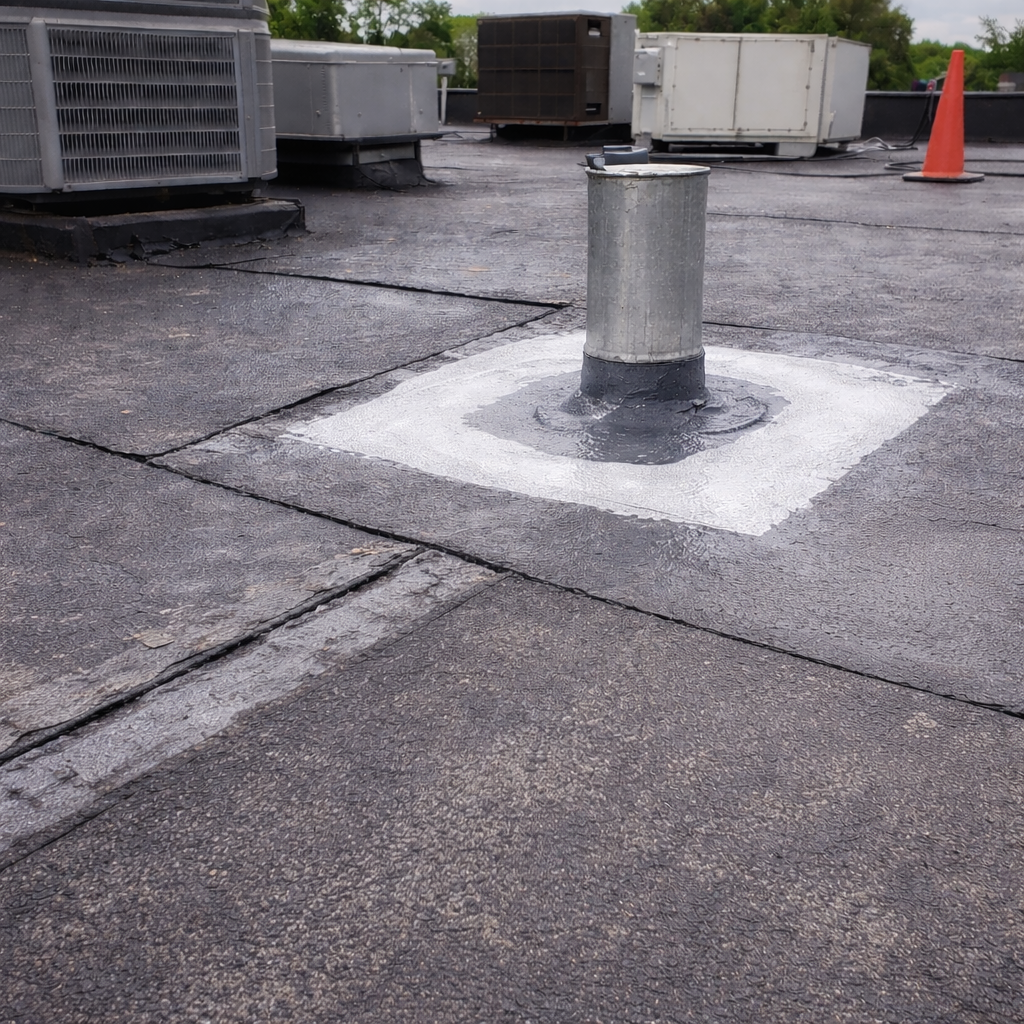
Fluid applied roofing systems rely on proper surface preparation, reinforcement at seams and details, correct application thickness, and strict adherence to manufacturer specifications.
Cutting corners to reduce cost often compromises warranty eligibility and long term performance.
Who Benefits Most From This Type of Warranty
Non prorated, renewable warranties are especially valuable for facility managers responsible for long term performance, municipalities balancing budgets and asset life, industrial facilities that cannot tolerate downtime, and owners managing multiple buildings.
What Owners Should Ask Before Accepting a Warranty
Before moving forward, owners should ask whether the warranty is prorated or non prorated, whether it covers labor and materials, who backs the warranty, what is required to maintain coverage, and whether the system can be renewed at the end of the term.
Clear answers to these questions separate real protection from marketing language.
Final Thoughts
A 15 year non prorated roof warranty is not just a document. It is the result of proper assessment, correct system design, and disciplined installation.
When issued responsibly, it provides consistent coverage, long term confidence, and a clear path forward that does not automatically end in replacement.
Understanding what it actually covers allows building owners and facility managers to make smarter roofing decisions with fewer surprises.